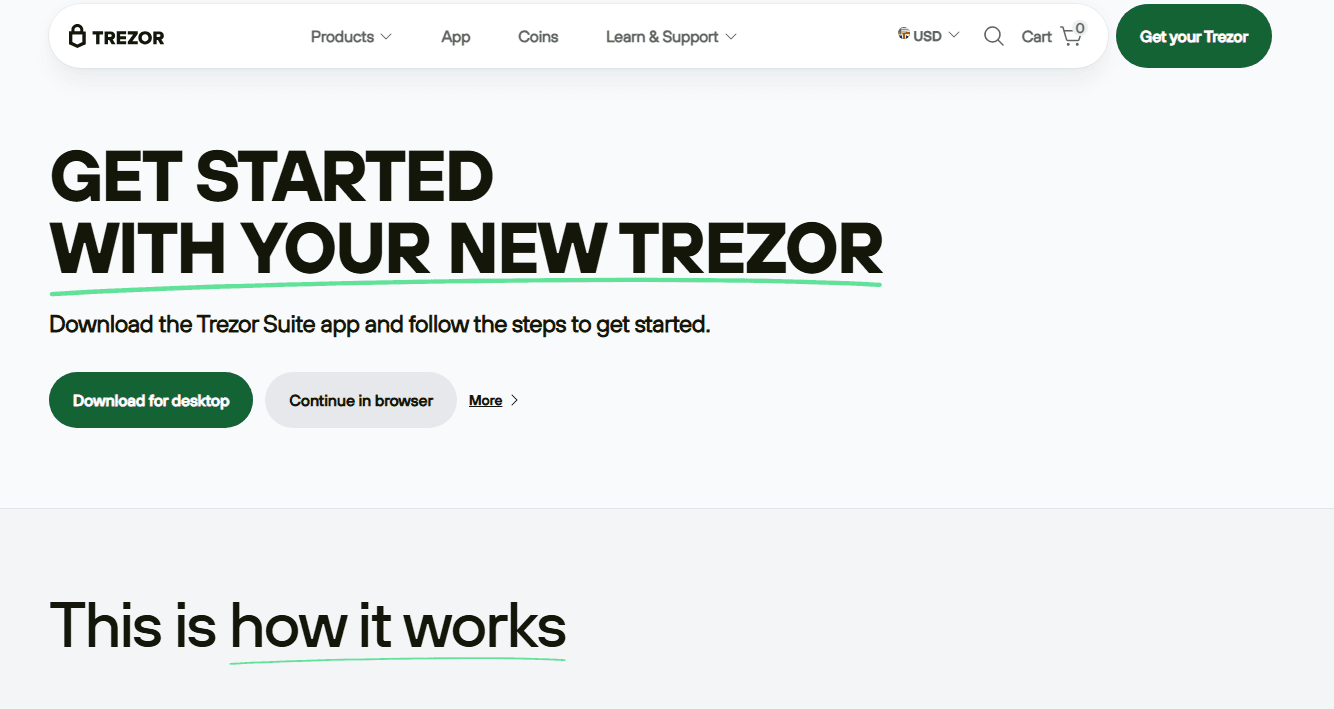
Trezor.io/Start: Your Step-by-Step Guide to Securing Cryptocurrency
Cryptocurrency has revolutionized finance, offering decentralized control and borderless transactions. But with this freedom comes responsibility: securing your digital assets is paramount. Trezor, one of the most trusted hardware wallets, allows you to store cryptocurrency securely offline. The official start guide, available at Trezor.io/start, walks users through the complete setup and management process, ensuring your crypto remains safe from hackers, malware, and phishing attacks.
1. Introduction to Trezor Wallet
Trezor is a hardware wallet developed by SatoshiLabs to store private keys offline. Unlike software or mobile wallets, Trezor keeps your keys in a physical device, significantly reducing the risk of theft.
Key Features:
Stores private keys offline for maximum security
Supports over 1,000 cryptocurrencies
Open-source firmware for transparency
Regular firmware updates to prevent security vulnerabilities
Integrates with multiple crypto platforms and apps
Starting at Trezor.io/start ensures users follow verified steps directly from the manufacturer, keeping assets secure.
2. Why Choose a Hardware Wallet?
Hardware wallets provide unmatched security for crypto:
Private keys remain offline
Transactions require physical confirmation on the device
Protection against malware and phishing attacks
Trezor ensures you remain in full control of your funds without relying on third-party exchanges or software wallets.
3. Unboxing Your Trezor Device
Your Trezor device comes in tamper-evident packaging. Always inspect the box before opening.
Included in the package:
Trezor device (Model One or Model T)
USB cable for connection
Recovery seed cards
Instruction manual and stickers
The Trezor.io/start guide emphasizes verifying the device’s authenticity before connecting it to your computer to avoid counterfeit devices.
4. Initial Setup of Your Trezor Wallet
Setting up Trezor is straightforward but requires careful attention:
Step 1: Connect Your Device
Use the USB cable to connect Trezor to your PC or laptop. Navigate to Trezor.io/start in your web browser.
Step 2: Install Trezor Bridge or Suite
Trezor Bridge: Connects your hardware wallet to your browser
Trezor Suite: Desktop and web application for portfolio management, sending/receiving crypto, and enhanced security
Step 3: Create a PIN Code
Choose a secure PIN to prevent unauthorized access. Avoid predictable patterns.
Step 4: Generate Recovery Seed
Write down your 12–24 word recovery seed offline. This seed allows you to restore your wallet if the device is lost or damaged. Never store it digitally or share it online.
5. Understanding Recovery and Security
The recovery seed is your lifeline. Losing it could mean losing access to your funds permanently.
Trezor.io/start emphasizes:
Never storing seeds digitally
Using a strong, unique PIN
Verifying addresses on the device screen
Enabling optional passphrase protection
Following these steps keeps your crypto safe from unauthorized access and cyber threats.
6. Managing Crypto with Trezor Suite
Trezor Suite is the official application for managing your crypto:
Features include:
Portfolio Overview: Track all your digital assets in one place
Send & Receive Crypto: Transactions are verified on the device for added security
Exchange Integration: Buy, sell, or swap cryptocurrencies
Advanced Security Options: Passphrase-protected wallets and hidden wallets
Trezor Suite simplifies portfolio management while maintaining top-level security.
7. Advanced Security Features
Trezor provides additional security for more experienced users:
Passphrase Protection: Adds a 25th word to your recovery seed, creating hidden wallets
Multi-Signature Support: Requires multiple approvals for transactions
Firmware Updates: Ensures your device stays secure against new threats
These features allow users to scale security according to their needs.
8. Recovering Your Wallet
If your Trezor device is lost, stolen, or damaged, recovery is straightforward with the seed:
Steps to recover:
Get a new Trezor device
Select “Recover Wallet” during setup
Enter the recovery seed carefully
Set a new PIN and passphrase if needed
This guarantees uninterrupted access to your cryptocurrency assets.
9. Beginner vs. Advanced Use
Trezor.io/start is suitable for all users:
Beginners: Step-by-step guidance makes setup simple and intuitive
Advanced Users: Access multi-signature wallets, third-party integrations, and advanced security options
Trezor’s versatility ensures it remains a long-term solution for secure crypto storage.
10. Best Practices for Security
To maximize protection:
Regularly check connected apps and revoke suspicious access
Avoid downloading unofficial software claiming to improve Trezor security
Use cold storage for large holdings
Enable passphrase-protected wallets for sensitive funds
Following these practices ensures your crypto remains safe from evolving threats.
11. Trezor Community and Support
Trezor offers comprehensive support and resources:
Knowledge Base: Detailed tutorials and FAQs
Community Forum: Engage with users for tips and troubleshooting
Direct Support: Assistance for hardware or software issues
Starting at Trezor.io/start ensures access to verified resources and expert guidance.
12. Conclusion
Trezor.io/start is the official gateway to securely managing cryptocurrency. From unboxing and setup to recovery and advanced security features, it empowers users to protect their digital assets confidently. Combining user-friendly design with military-grade security, Trezor is suitable for beginners and experienced crypto users alike.
By following the official guide, you can safely send, receive, and store cryptocurrency, giving you peace of mind in the fast-evolving digital finance world.